
ACCESSORIES · LATE WITH PV
Wallboxes &
Charging accessories.
Wallboxes and charging accessories for your pitch request.
Whether new AC charging point or suitable supplement: TP ENERGY aligns vehicle connection, handling and desired PV functions with you.
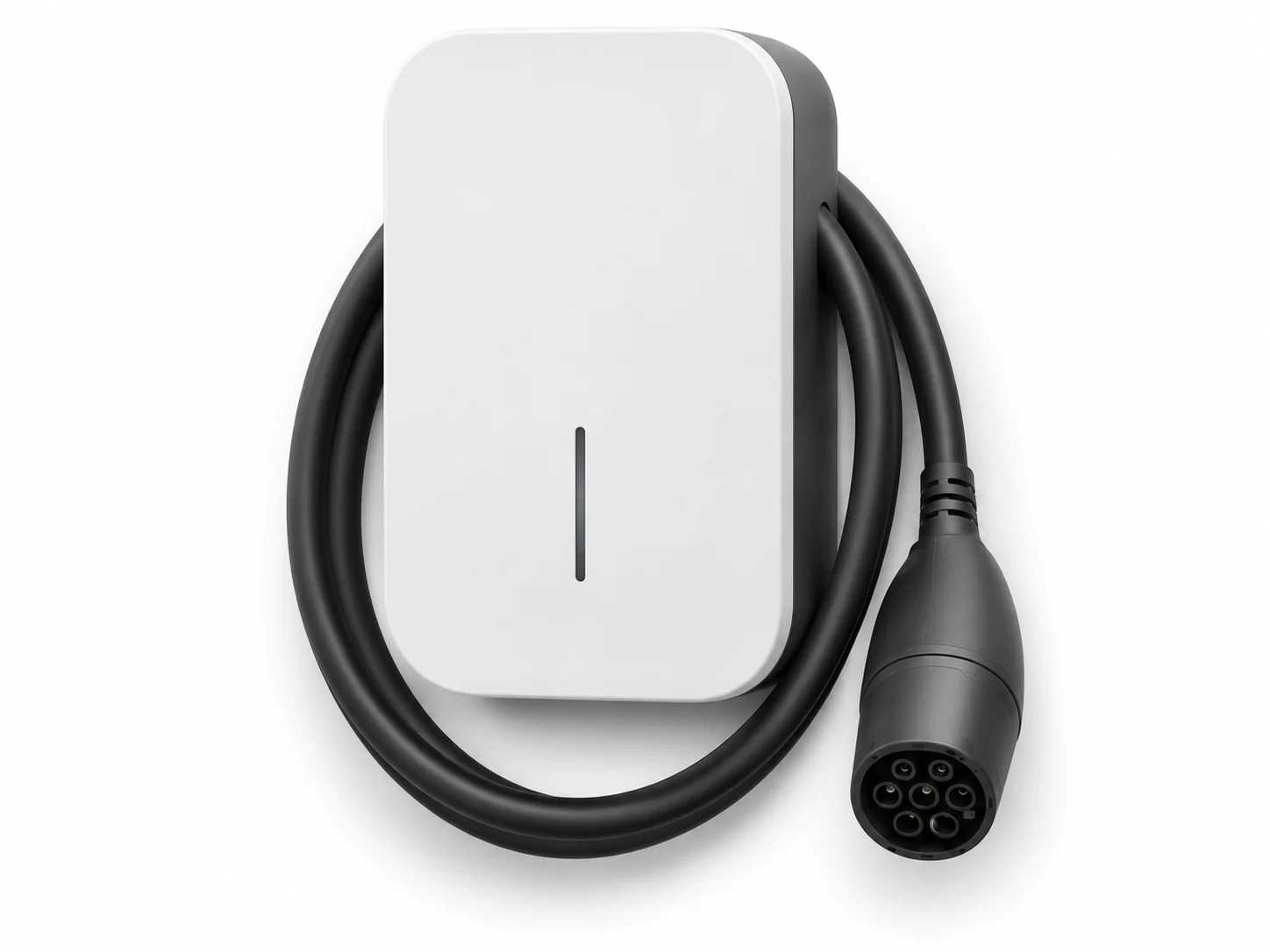
Fits the vehicle. Matched to your PV system.
Select the type you need. A click on the icon image opens the properties. About "Request an offer", you tell us your needs – from the charging point to the cable storage.
Choose the charging point matching the parking space.
The wallboxes described here are permanently installed AC charging devices for Mode 3. Cable design and additional control functions are separate features. PV overload needs a supported interaction between measurement, control and charging point.
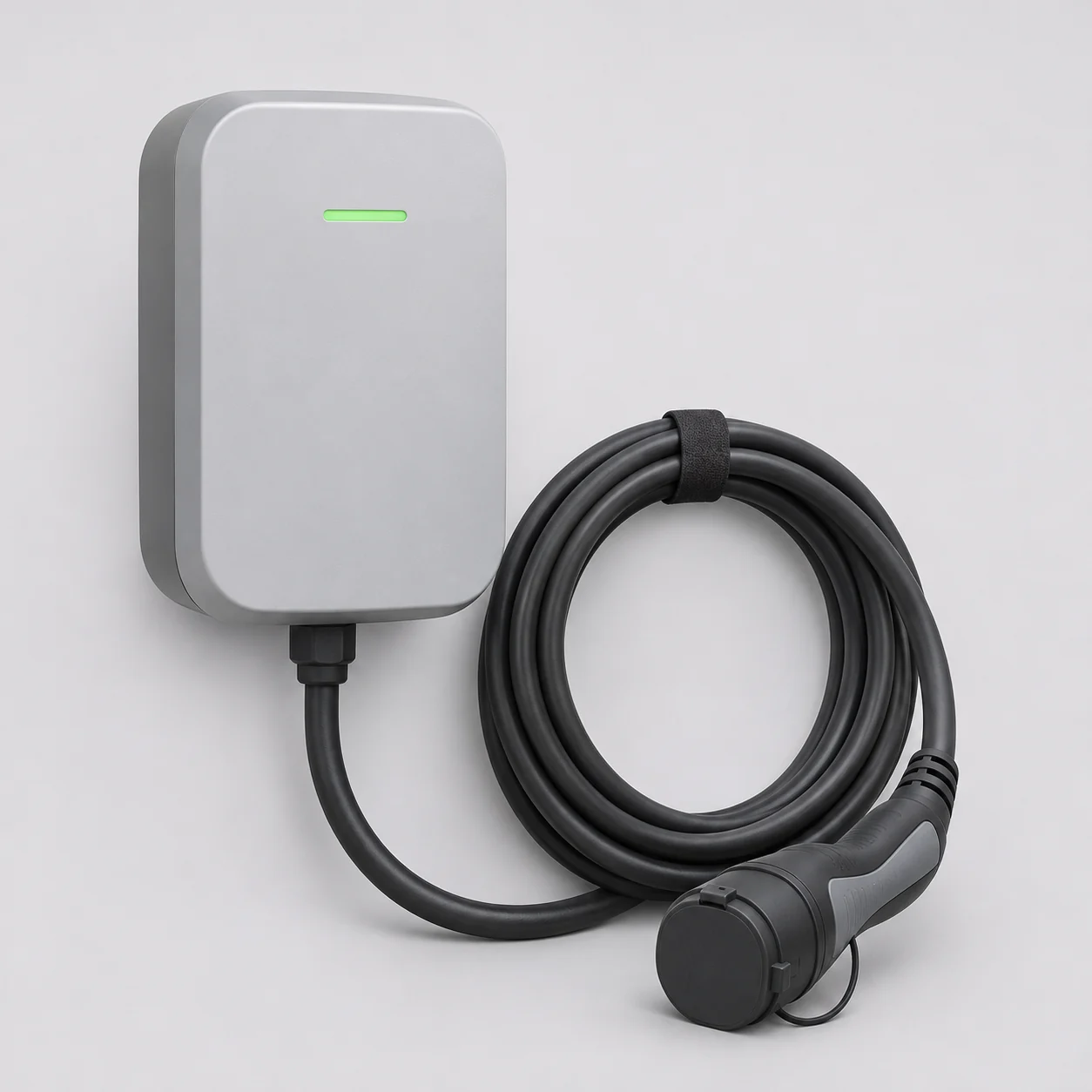
Wallboxes with fixed charging cable
For a charging point with permanently available cable. Name vehicle connection, required range at the pitch and desired charging functions.
Request a quote: Wallboxes with fixed charging cable
Characteristics and use: Wallboxes with fixed charging cable
Operation
With this design, the charging cable is permanently connected to the wallbox. The right vehicle coupling on the car is used for charging. The cable is available at the pitch and is stored at the intended storage after use.
Selection features
Cable length and location of the vehicle connection determine whether the charging point is easily accessible in everyday life. Cable weight, guidance and storage also count. A fixed cable connection does not make the cable extendable as desired or replaceable by the user.
Charging power and functions
The possible AC charging power is derived from vehicle, charging point and planned installation. A fixed cable does not say anything about whether PV overcharge, load management or access control are supported. These functions will be coordinated separately.

Wallboxes with type 2 sockets
For a charging point with detachable Mode 3 line. Ask with vehicle, installation location and desired integration into your PV system.
Request a quote: Wallboxes with type 2 socket
Characteristics and use: Wallboxes with type 2 socket
Operation
A wallbox with type 2 socket uses a removable, designed Mode 3 charging line. The matching cable connects station and vehicle. It can be stowed after loading or taken with it for suitable additional loading points.
Selection features
Attention should be paid to vehicle connection, cable design and handling of the socket. Locking and, if necessary, permanent cable locking are characteristics of the concrete station. A socket does not confirm any adapter options or the suitability of any charging cable.
Integration into the PV system
Inside or outside, operation and supported communication are available. The rules and data interfaces actually available are crucial for integration into the PV system. A network connection alone does not guarantee any surplus control.
Add cables and storage for everyday charging.
Suitable accessories keep the intended loading distance and storage clear. It is adapted to vehicle, loading point and installation location.
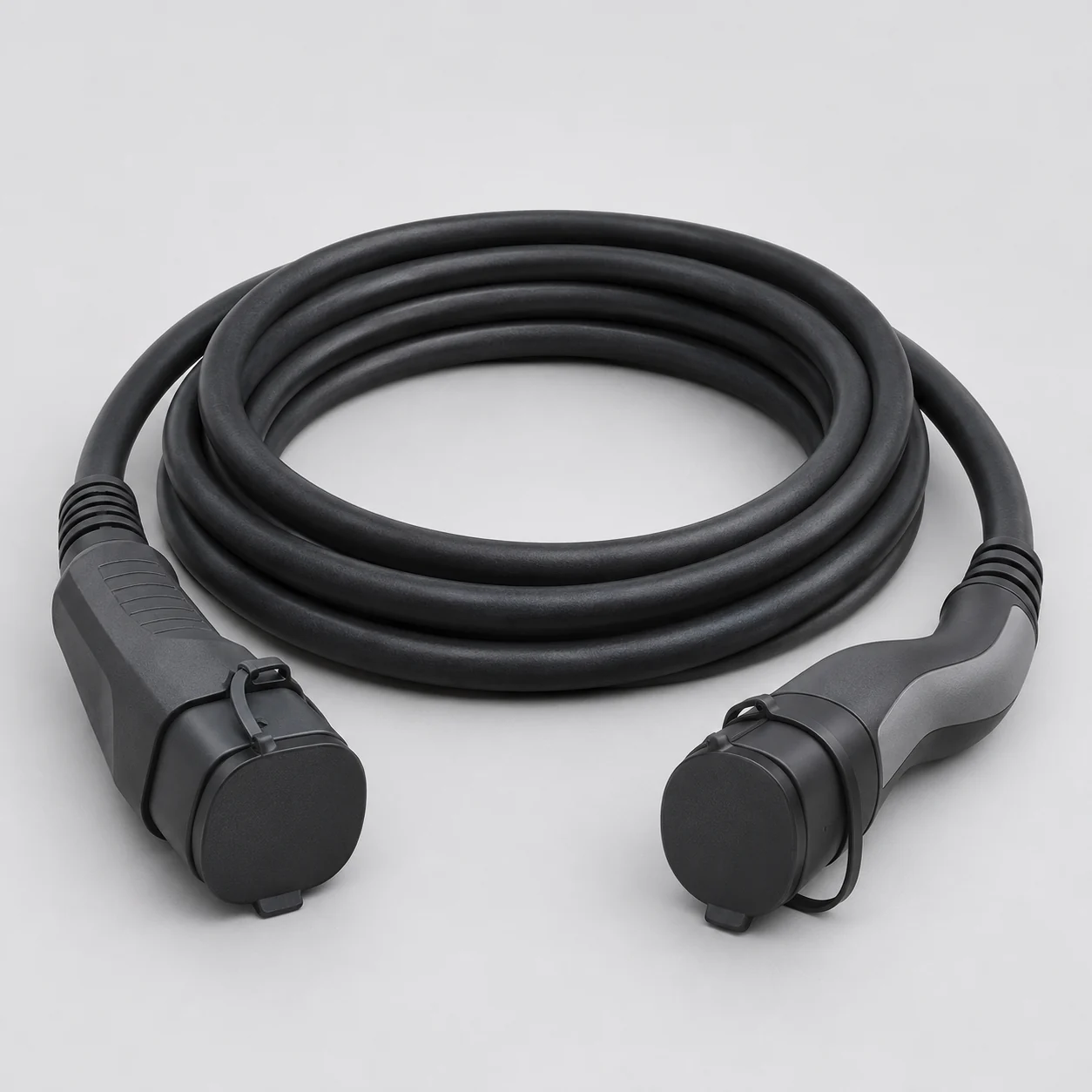
Type 2 charging cable for Mode 3
For the appropriate connection between type 2 charging socket and vehicle. Name connections, phase number and required cable length.
Request a quote: Type 2 charging cable for Mode 3
Characteristics and use: Type 2 charging cable for Mode 3
Operation
A removable Type 2 Mode 3 cable connects a suitable AC charging socket with the appropriate vehicle connection. It conducts performance and communication contacts. The connectors are locked during the intended charging process.
Selection features
There are single and three-phase versions with different current measurements and lengths. The usable power remains limited by the weakest suitable link from vehicle, station and line. More cable measurement therefore does not automatically increase the charging power of the vehicle.
Delimitation and request
A Mode 3 line is to be distinguished from a mobile Mode 2 charger with its own control and protection unit. Both connections, phase number, current measurement and length count for the request. The cable is not a general extension cable for a fixed wallbox cable.
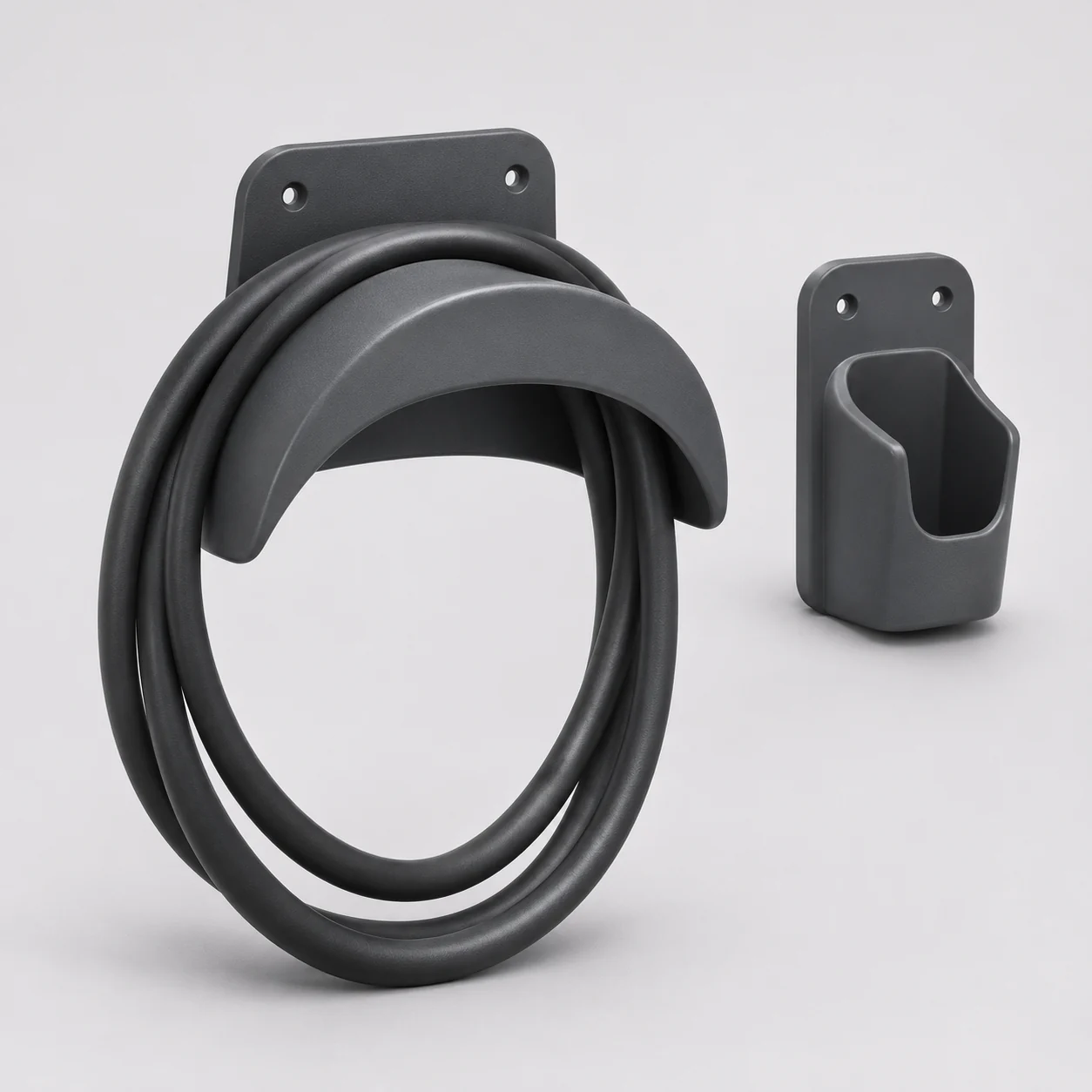
Cable holders and mounting accessories
For an orderly cable storage or suitable device holder. Tell us Wallbox, cable and installation location.
Request a quote: Cable holders and mounting accessories
Characteristics and use: Cable holders and mounting accessories
Operation
Cable holders and suitable plug holders give charging cable and coupling a designated storage space. Depending on the design, they are integrated separately or into a device holder. A plug socket is not an electric charging socket.
Selection features
Choose suitable for cable weight, bending radius, coupling shape and available wall surface. Ways at the pitch and the achievable storage height are considered. Material and documented environmental conditions shall be suitable for outdoor use.
Assembly and inquiry
Mounting plates or steles shall be adapted to the loading device, attachment and surface. A similar perforated image does not confirm release. Describe whether only the cable storage or the entire device recording is required.
Important terms simply explained.
AC store and fashion 3
AC stands for AC current. For Mode 3, a fixed charging device with intended communication is loaded. The charger in the vehicle converts the alternating current for the battery. This page describes such AC charging points.
Type 2
Type 2 denotes the connection and plug-in system for appropriate AC charging. Neither a specific charging power nor PV functions follow. Vehicle, station and cable must fit together in their design.
Single-phase, three-phase and charging power
The number of supported phases and the permissible current influence the AC charging power. Vehicle charger, cable, wallbox and installation limit them together. The largest number on a single component is not a commitment to the overall system.
PV overload
A supported control adjusts charging to available solar power. To do this, it needs suitable measurement values, control and a responsive charging point. Vehicle boundaries and available time at the pitch influence how much solar power can actually be used.
Load management
Load management adjusts charging power to a specified limit or the available connection power. It may affect one or more loading points. This is a different task than the targeted use of PV surplus; both functions must be supported and coordinated.
Plug lock
The intended locking holds the charging connection during the charging process and prevents pulling under load. It shall be distinguished from access control or permanent cable locking at the station. The operation depends on the vehicle and the charging device.
What does the selection matter?
Vehicle connection, supported AC charging and the distance to the charging point form the starting point. In addition, there are mounting place, desired operation and a possibly shared parking space. Measurement, communication, software levels and actually supported functions are tested together for PV overload charging and load management. Network connection, protection concept and necessary coordination are part of the technical planning.
This information will help us with your offer.
Describe parking space and vehicle as well as the desired charging functions. Existing PV and device documents facilitate the coordination.
- Desired wallbox or accessory type; new charging point or supplement
- vehicle and connection, desired cable length, parking space and installation location
- Existing PV system, inverter, storage, system measurement and energy management with precise design
- Everyday loading and desired functions such as PV overload, load management or access control; existing planning documents
Photos and existing documents can be added directly to the contact form.
Frequently asked questions.
Can each wallbox load automatically with PV over?
No, no, no. Measurement, control and charging point must support the appropriate control together. The vehicle also sets limits. An existing PV system or a network socket on the wallbox does not confirm the function on its own.
Is a three-phase type 2 cable charging any vehicle faster?
No, no, no. The vehicle must be able to use the corresponding phases and currents; also station and installation limit the performance. Choose the cable according to the intended combination and the required length.
Technical basis.
View Sources
The guide and the DKE design explain the types of loading operation and the classification of the loading device. The IEC preview describes the scope of application of AC plug-ins; it is not a complete standard text. The HTW shows connections between PV generation, charging behaviour and self-supply. The concrete installation plans an electrician.
VDE / DKE and other editors: Technical guide Charging infrastructure, version 4.1 (2023)
DKE: Standard versions of AC charging devices Mode 2 and Mode 3
IEC 62196-2:2025 – Preview of the scope of application of AC plugs
HTW Berlin: Solar power tool – PV, charging behavior and self-supply
Enquire charging technology for your PV project.
Send us the starting position and your charging requirements. We will coordinate the required components with you and prepare your offer.