
APPROPRIATE · MEASURING & TAXING
Smart Meter &
Energy management.
Request system measurement and energy management for your PV system.
For coordinated energy flows between PV plant, storage and consumers. Ask your needs at TP ENERGY – we will clarify measuring tasks, devices and desired control functions with you.
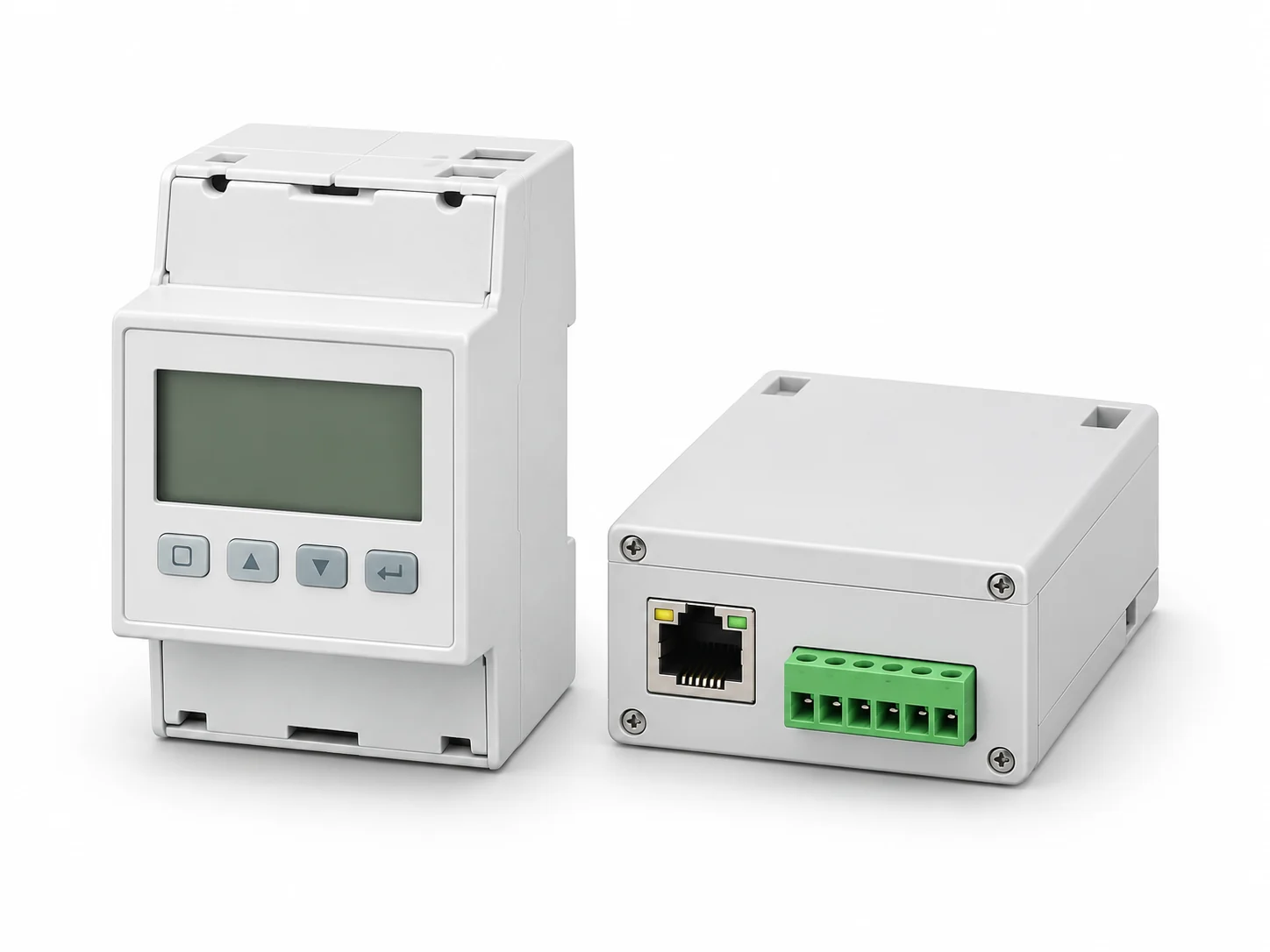
Measure first. Then control appropriately.
Select the required accessory type. A click on the icon image opens the properties. About "Request an offer" You tell us your needs – from the right system counter to communication in energy management.
Record energy flows for the PV system.
A PV system meter measures energy flows for inverters, storage or energy management. An infrared reading head, on the other hand, takes over measured values from an existing digital current meter. Such accessories are often called smart meters, but are not automatically an intelligent measuring system with a smart meter gateway.
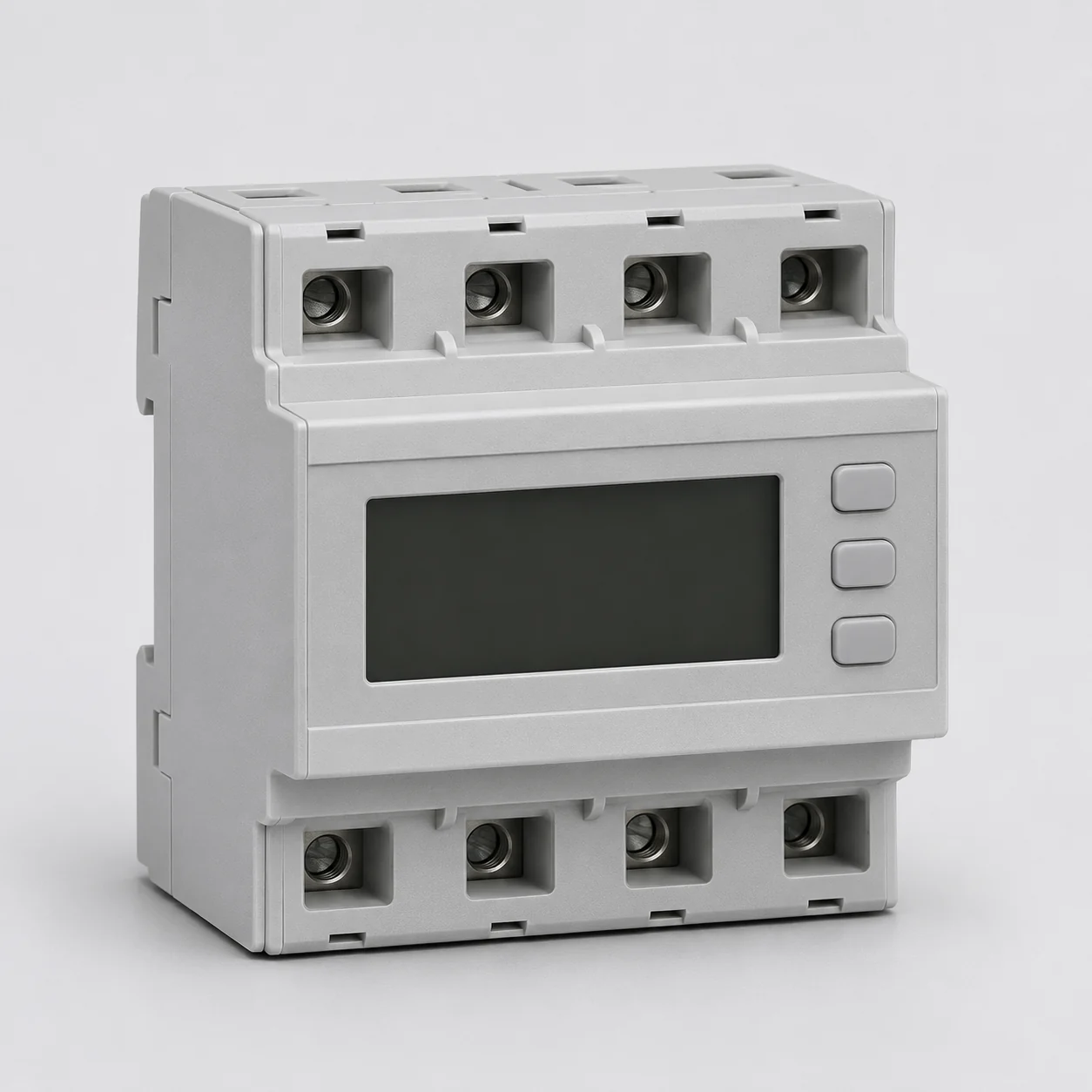
Direct measuring energy meters
For direct current measurement in the intended measuring range. Ask with phase number, measuring point and the PV system to be supplied.
Request a quote: Direct measuring energy meters
Characteristics and use: Direct measuring energy meters
Operation
In direct measurement, the current to be recorded is guided through the measured connections of the measuring instrument. Such devices are available for single and three-phase applications. Which variant fits depends on the installation and the permissible measuring range.
Measuring point and energy flow
A bidirectional meter can detect energy flow in both directions. At the appropriate measuring point it is possible to distinguish net reference from feed-in. On the other hand, a measurement at the inverter outlet first shows the production there; it does not describe the total household consumption alone.
Selection features and releases
In addition to the current range, the control also includes measured sizes, update rate and the data connection supported by the target system. A device with a suitable connection format is not automatically readable by the inverter or energy manager. An MID note alone also does not confirm the suitability as a meter of the measuring point operator.
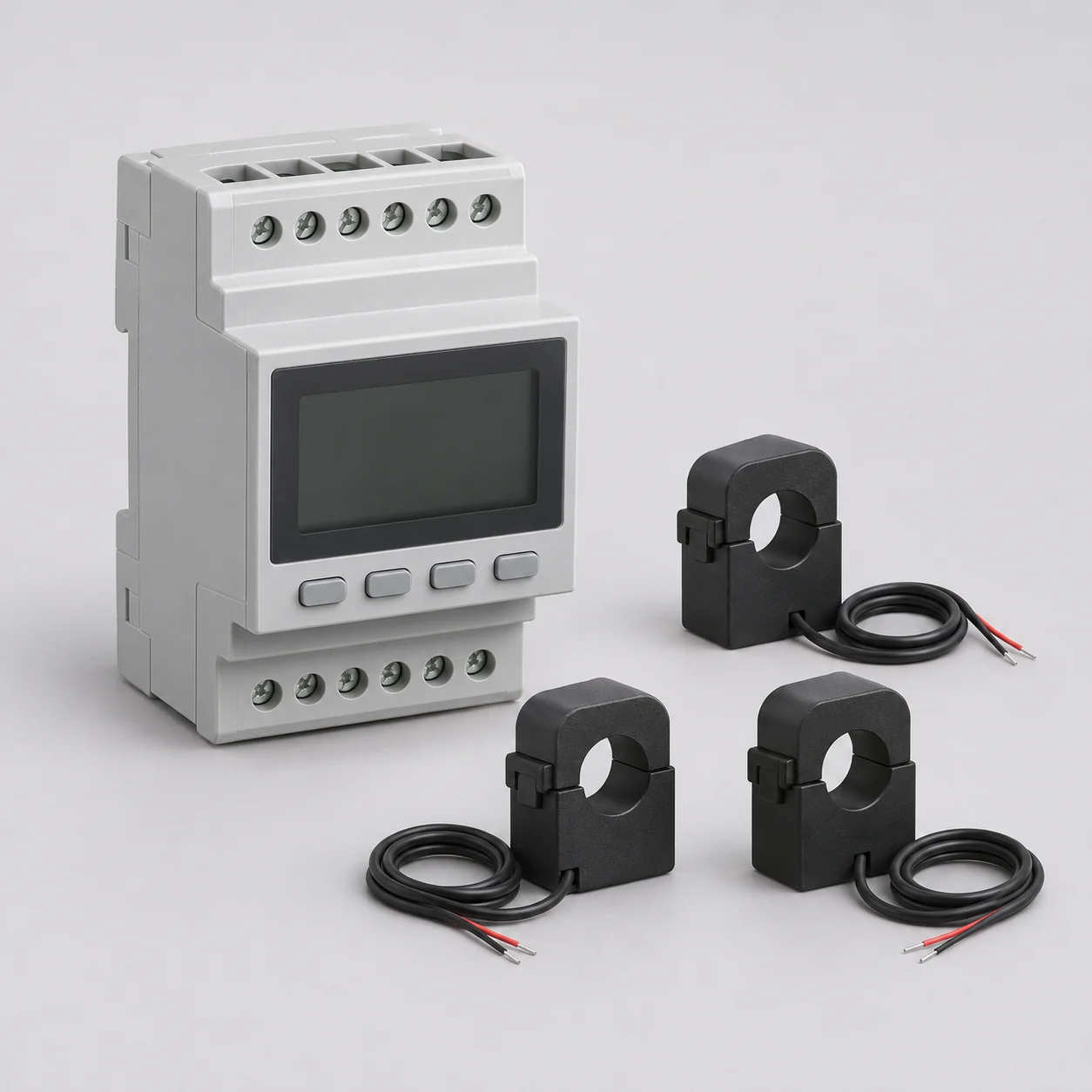
Measuring instruments with current converters
For a measurement concept with external current sensors. Name the current range, existing converters and the system to evaluate the values.
Request a quote: Measuring instruments with current converters
Characteristics and use: Measuring instruments with current converters
Operation
In a converter solution, external current sensors detect the conductor currents; the meter evaluates its signals together with the required voltage information. Such solutions are used, for example, in larger currents or plant concepts intended for them. There are closed and divisible transducer designs.
Selection features
Meter and transducer must fit together. Transmission ratio, output signal, accuracy, conductor opening and permissible measuring ranges are essential features. Current converters with current output, sensors with voltage output and Rogowski coils are not interchangeable.
Measuring concept and installation
For recoverable values measurement point, phase assignment and energy flow direction must fit the control concept. Partial converters are not permitted to work on a tensioned system. Selection and installation are determined by the technical electrical planning.
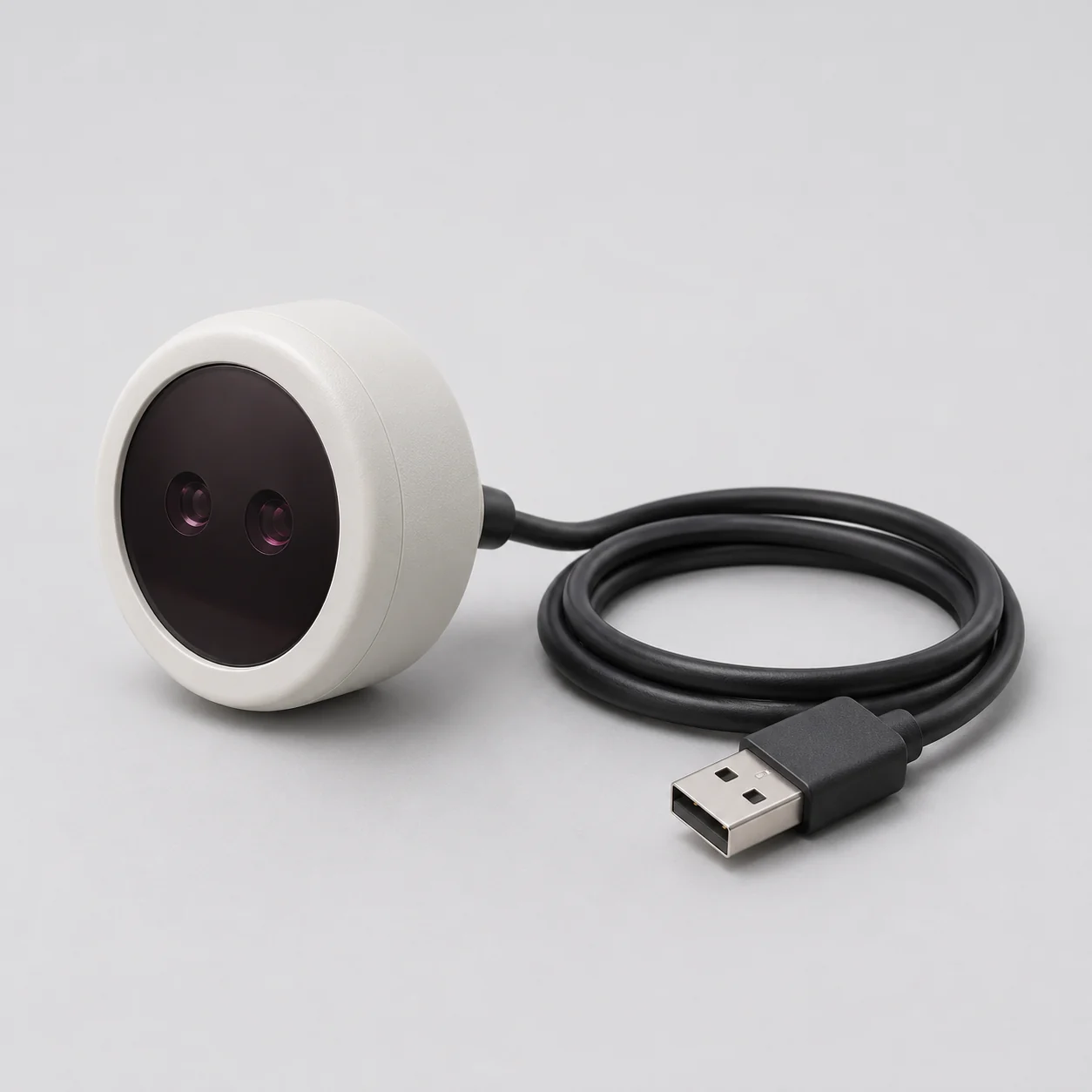
Infrared read heads for digital power meters
For the optical reading of an existing digital power meter. Ask with meter model, desired data use and existing energy system.
Request a quote: Infrared read heads for digital power meters
Characteristics and use: Infrared read heads for digital power meters
Operation
An infrared read head reads the provided data at the optical customer interface of a compatible digital power meter. It sits outside the intended interface, often with a magnetic recording. It does not measure the current itself and is not integrated into the current path like a directly measuring meter.
Selection features
Which values are usable depends on the counter model and its activation. For example, meter readings for grid reference and feed-in as well as the current performance are possible. An existing infrared interface does not guarantee that each of these values is output. For extended data an activation at the counter may be necessary.
Reading head and evaluation must support the data protocol of the counter, for example SML. In addition, there is a suitable recording, power supply and data path: depending on the design, for example a cable connection to a gateway or an integrated network transmission. A pure flashing pulse display shall be distinguished from an interface with digital measurement telegrams.
System boundaries
The display in an app alone is not sufficient for PV overcharges or memory control. The target system must be able to actually process the values provided in appropriate updates. Local interfaces, possible cloud dependency and device sharing are tested together. A read head does not replace a smart meter gateway of the measuring point operator. Sealed areas are not opened independently.
Translate measured values into appropriate control.
Measurement describes the state. An energy management system uses this data for supported control tasks. Measurement and control can be combined in one device or distributed over several components.
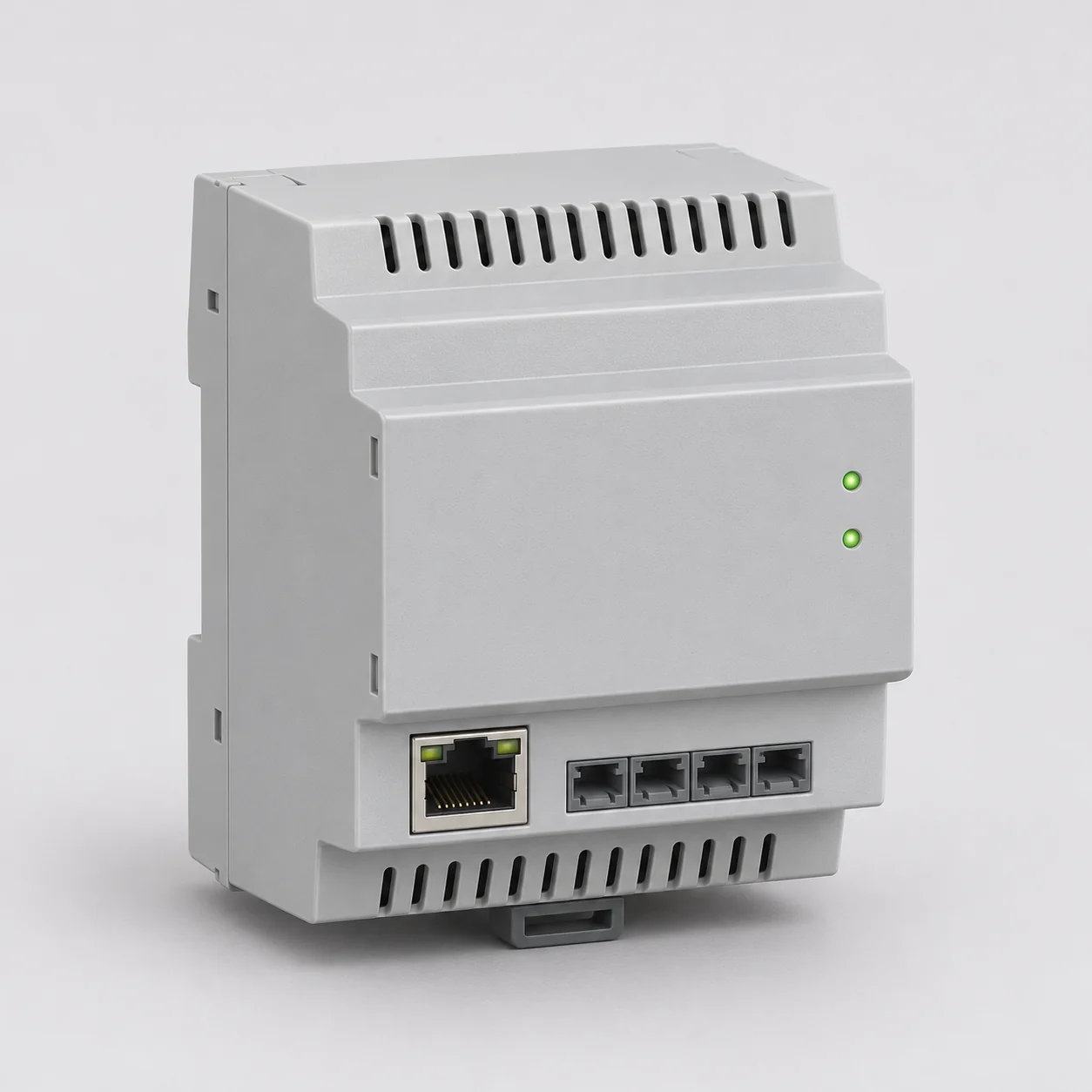
Energy managers and communication gateways
For the supported coordination of generation, storage and consumers. Tell us your devices and the required control tasks.
Request a quote: Energy manager and communication gateways
Characteristics and use: Energy manager and communication gateways
Operation
An energy manager can coordinate PV generation, storage and suitable consumers according to defined objectives. Typical tasks are a higher use of the own solar power, coordinated charging and the consideration of specified power limits. On the other hand, a pure data logger or a communication gateway does not automatically control energy flows.
Interfaces and shares
A gateway transmits data between supported devices or services. For a usable connection, interface, protocol, data model and supported function must fit on both sides. RS485 describes an electrical interface; Modbus RTU or Modbus TCP describe other levels of data exchange. Even a network connection alone does not confirm integration.
A standard system such as EEBUS can enable exchange for defined energy applications. The actual supported use cases and device sharing remain crucial. A simple release signal and a stepless performance specification are different control options.
System boundaries
For PV overcharges or the control of a heat pump, suitable measurement, control and supported consumers are required. Before selecting, local or cloud-dependent functions, internet needs, data access and behavior in case of communication failure are also considered. An EMS alone does not provide any replacement electricity or guarantee a certain saving.
Important terms simply explained.
PV system counter and intelligent measuring system
A PV system counter provides the system with operating data. An intelligent measuring system in German metrology combines a modern measuring device with a smart meter gateway. The tasks and responsibilities must be distinguished.
kW and kWh
kW describes the current performance. kWh describes an amount of energy recorded over time. For a fast surplus control, an occasionally read-off energy meter level alone is not enough.
Net reference, feed-in and measuring point
Grid acquisition is energy from the public grid, feed-in the delivery there. Which rivers a measuring instrument actually captures depends on its position in the plant concept.
Direct measurement and transducer measurement
During direct measurement, the measuring stream flows through the device designed for this purpose. For transducer measurement, external sensors provide a signal matching the evaluation device. The designs have different selection features.
Interface, protocol and device sharing
The interface describes the transmission path, the protocol describes the rules of data exchange. First suitable data and supported functions enable the planned cooperation. A similar jack is not enough.
Own consumption and self-sufficiency
Own consumption describes the proportion of the generated PV electricity used on site. Autarkie describes the proportion of own consumption covered by own production. Both values also depend on generation, load profile and memory.
Optical customer interface and SML
Infrared means the optical transmission path. The accessible data interface on the counter is often called the INFO or D0 interface. SML stands for Smart Message Language and describes a protocol for the transmitted measurement data. Reading head, counter and evaluation must fit together; the presence of an optical opening alone does not confirm the function.
What does the selection matter?
First, clarify the goal: represent energy flows, regulate feed-in, coordinate storage or integrate suitable consumers. For this purpose, measurement point, phase number and current range as well as devices, software level and supported interfaces are considered. Infrared read heads also include meter model, data protocol, unlocked values and the integration into the target system. For control, the actual released functions, data update and behavior in the event of communication failure count. The electrical setup is being planned by an electrician.
This information will help us with your offer.
Name the existing devices and your destination. A device overview and known interfaces facilitate the coordination.
- Desired task: measurement, storage control, PV surplus use or load management
- Inverters, memory, wallbox, heat pump and existing measuring devices with precise design
- Measuring point, phase number, current range and existing current converters, if known
- For optical reading: exact counter designation, accessible interface and known availability of the desired measured values
- Supported interfaces, software levels and local or cloud-dependent use; existing documentation
Photos and existing documents can be added directly to the contact form.
Frequently asked questions.
Does a PV smart meter replace the meter of the meter operator?
Not automatically. A PV system meter provides operating data for the system. The billing-relevant meter and an intelligent measuring system with smart meter gateway have their own tasks and requirements. Responsibilities and measurement concept are coordinated with the measuring point operator.
Can an infrared read head be used for PV overcharge or memory control?
This is possible if meters, reading head and the target system support the required data and the desired control function together. The decisive factors are available measurement values, updating and a released data path. An app display, network socket or the same protocol name alone does not confirm the function.
Technical basis.
View Sources
The sources distinguish metrology, system measurement, optical reading and energy control. The older FNN information explains the technical INFO interface; concrete data and activation depend on the existing meter. The measurement and control concept is coordinated for your devices. An accessory device does not replace coordination with measuring point or network operator.
Federal Network Agency: Building an intelligent measuring system
DKE: Smart meters and energy management – technical basics
dena / KEDi: More than electricity from the roof – PV and energy management
EEBUS Initiative: Self-optimization and supported energy applications
VDE FNN: Optical INFO data interface at the base counter – technical explanation (2015)
VDE FNN: Modern measuring device and optical customer interface
Request measurement and energy management for your PV project.
Send us your device overview and the desired functions. We will coordinate the required components with you and prepare your offer.