APPROPRIATE · PERFORMANCE SOPTIMERS
Performance optimizer.
Enquire performance optimizer to match your PV system concept.
For new equipment, addition or replacement: Ask your needs at TP ENERGY. We agree on module assignment, inverter system and desired functions with you.
On this page
View modules and inverters together.
Select the type of optimization you need. A click on the icon image opens the properties. About "Inquire your offer", you hand over your needs to us – we clarify the meaningful use and the appropriate execution on the basis of your system.
Differentiate optimizers according to module assignment.
Power optimizers are DC/DC electronics between modules and the appropriate inverter system. They change the electrical working point; the inverter continues to convert to alternating current.
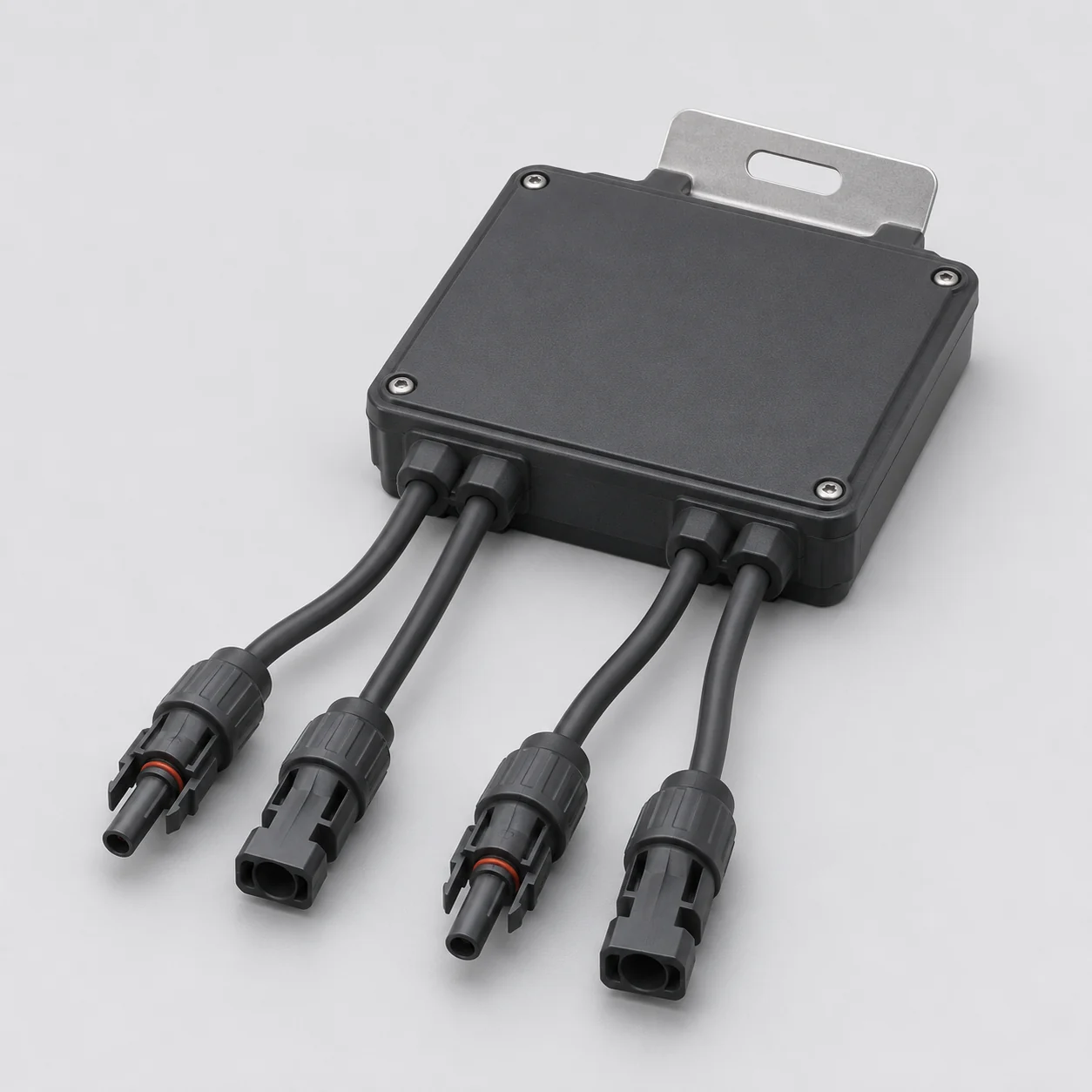
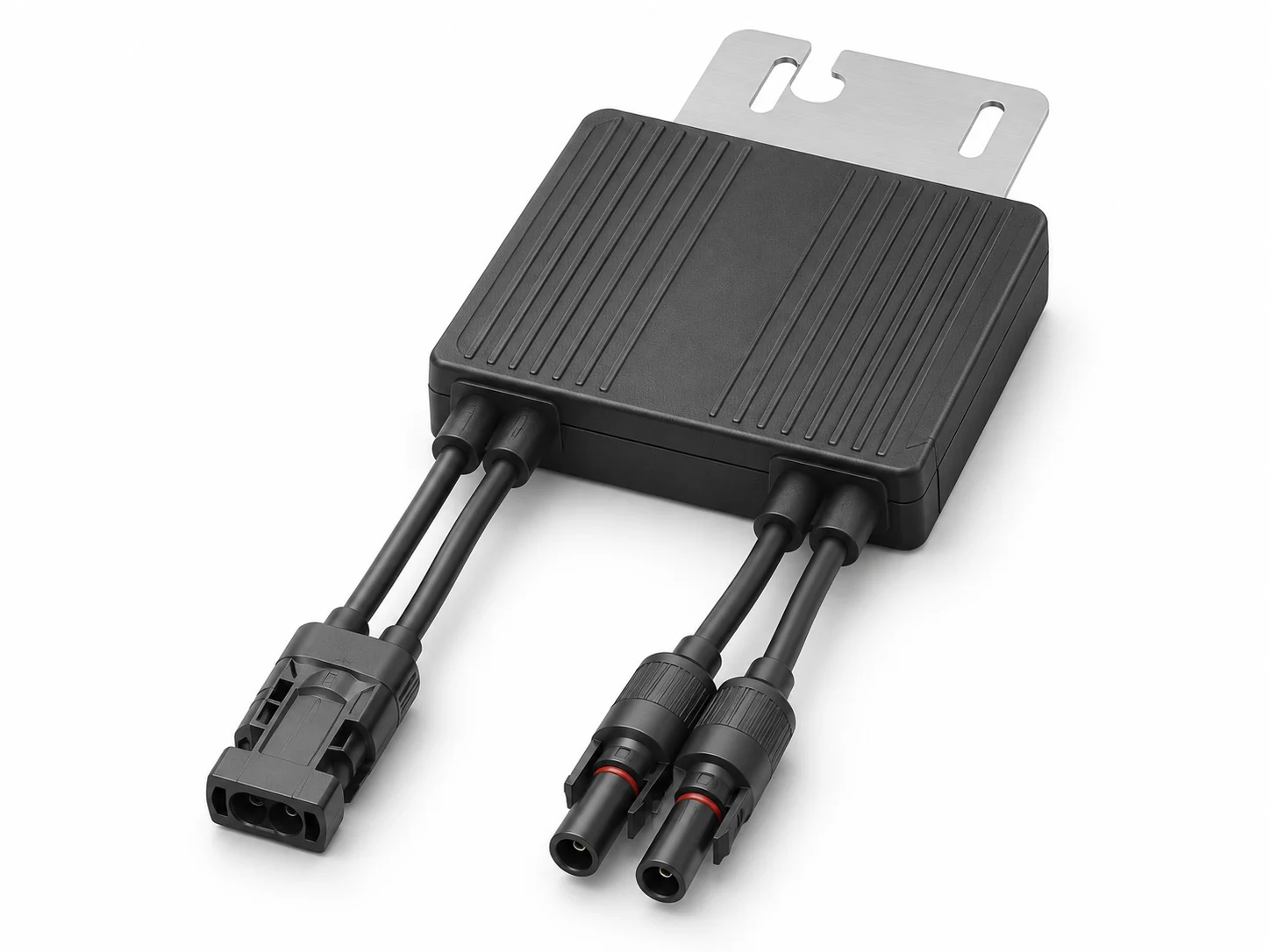
Performance optimizer for one module
For an assignment per PV module. Ask with module and inverter data; the allowed full or partial assembly is also part of the test.
Request a quote: Performance optimizer for one module
Characteristics and use: Performance optimizer for one module
Operation
With a one-module version, an optimizer is assigned to a PV module. This makes it possible to adapt at this level, for example in different radiation conditions. An optimizer cannot replace missing solar radiation; the achievable effect depends on the shadow course and the other system.
Selection features
The module assignment still doesn't say how many devices are required in the string. Some inverter concepts require optimizers on all planned modules. Other released concepts allow a targeted supplement. Partial assembly, parallel strings and mixing combinations must therefore be checked separately on the basis of the system specifications.
Among other things, module power, idle voltage even at low temperature, short-circuit current, working area and connection design are decisive. In addition, the string limits of the Optimizer-Inverter system apply. A matching watt alone does not confirm a suitable combination.
Additional functions and limitations
Module monitoring or a voltage reduction function may be available depending on the design and additional communication. They do not automatically belong to every optimizer. Conversely, a pure monitoring or shutdown device is not automatically a performance optimizer.
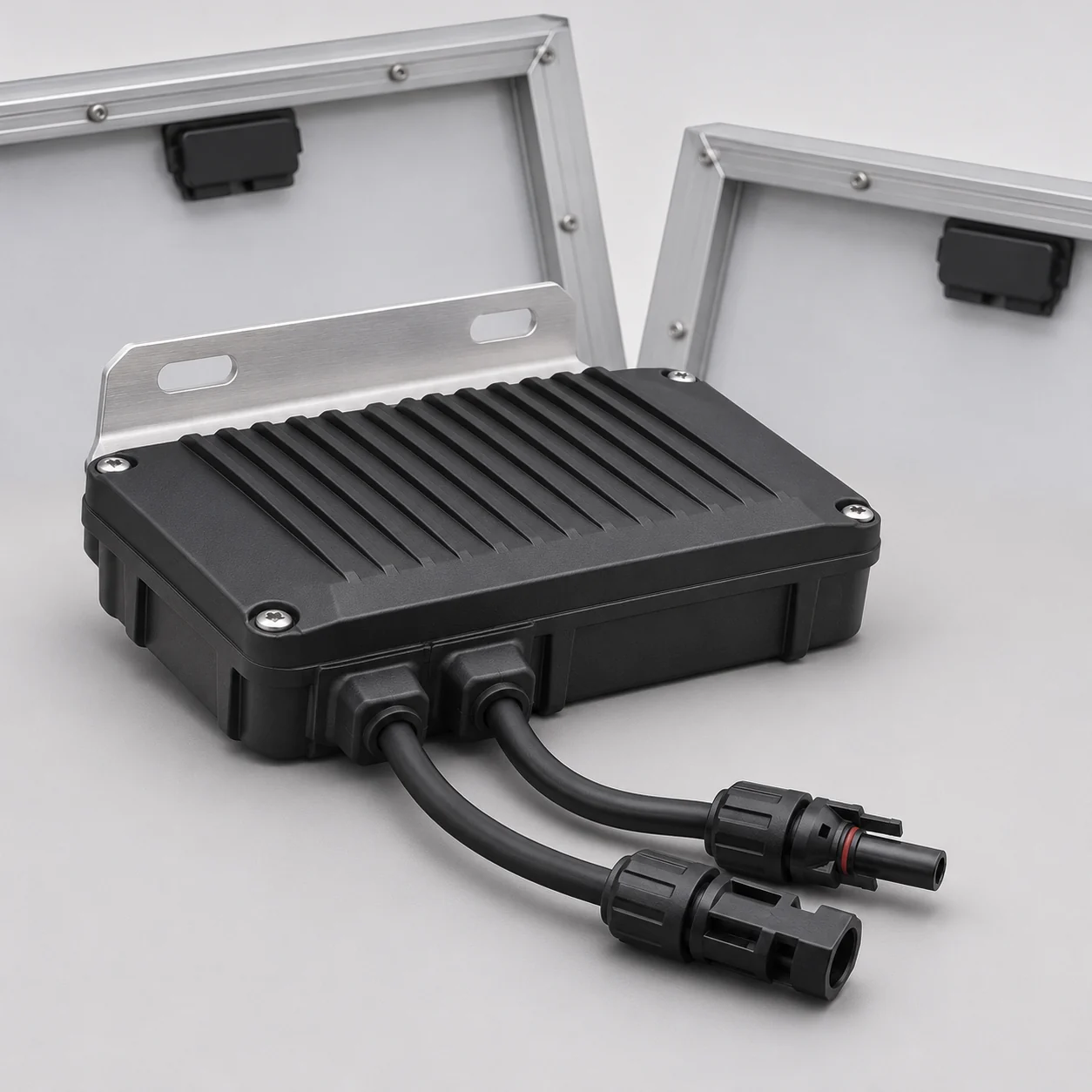
Performance optimizer for two modules
For two modules per device in designated systems. Name the module configuration, string planning and required number.
Request a quote: Performance optimizer for two modules
Characteristics and use: Performance optimizer for two modules
Operation
For certain system concepts there are optimizers to which two PV modules are assigned. This can reduce the number of devices compared to a one-module assignment. Electrical interconnection and permissible module pairs are based on the released version; this does not result in a general solution for any two modules.
Selection features
The common module assignment does not automatically mean two independently controlled inputs. Whether there are common or separate working points must be identified from the equipment documentation. Especially in the case of unequal shading, this distinction is important for planning.
The selection includes the permissible common voltage, current and power values, module configuration and minimum and maximum limits in the string. One-module and two-module devices cannot be mixed with each other as desired. Installation location, line guidance and later maintenance accessibility are planned.
System boundaries
The benefit is assessed for the entire plant: possible loss of less due to mismatch is compared with additional loss of conversion and components. A comparison with suitable string division and shadow management of the inverter helps with the decision. A flat-rate surplus or a fixed saving cannot be promised.
Important terms simply explained.
MPP and MPPT
MPP is the electrical working point with the currently highest power. MPPT denotes the follow-up of this working point. Inverters and optimizers perform different control tasks depending on the system concept.
DC/DC instead of module inverter
A power optimizer works on the DC side. On the other hand, a module inverter converts the module direct current directly into alternating current. The devices are functionally different.
Mismatch and shading
Mismatch refers to different electrical properties or operating conditions of the modules. Shadow is a possible cause. Optimisers can reduce part of the resulting losses under suitable conditions, but cannot recover missing light.
Full and partial assembly
Full assembly means optimizer at all module positions. Partial assembly is only possible if the concrete system allows it. The term is not a general compatibility release.
Module monitoring and communication
Individual measured values become visible only if optimizers, communication and evaluation support this function. Depending on the system, additional receivers or gateways are required.
Voltage reduction and shutdown
Such a function depends on the equipment, the communication and the intended operating state. It must not be equated with complete freedom of tension of all parts of the system.
What does the selection matter?
First, shadow gradient, module layout and existing inverter concept are considered. Then follow electrical limit values, allowed module assignment, string rules, plug-in system and required communication. Additional electronics involve own losses and maintenance tasks. The technical planning checks the benefits compared to alternative string division and existing inverter functions.
This information will help us with your offer.
Describe the facility and your destination. In case of shading, information on which modules are affected during the day or seasons.
- New plant, retrofitting or replacement as well as desired function
- Accurate module and inverter data, existing optimizers and system generation
- String plan, number of modules, alignments and known shading
- Desired module assignment and number of pieces; photos, data sheets and installation plan, if available
Photos and existing documents can be added directly to the contact form.
Frequently asked questions.
Are performance optimizers getting more and more yield?
No, no, no. Whether they reduce losses depends on shading, mismatch and plant concept. Additional conversion losses must be assessed. For a largely uniformly irradiated system, the benefits may be different than for a complex shadow process.
Can I retrofit individual optimizers on each inverter?
No, no, no. Inverters, modules and optimizers must be designed for the concept. Some systems require complete assembly; a partial assembly or mixing is only possible within the documented approvals. Call us the existing structure.
Technical basis.
View Sources
Independent research shows that the benefits depend on the plant and shading concept. The module assignment and system limits are additionally checked on the basis of the documents of the specifically selected devices. Standard overviews are not product release.
ZHAW / SFOE: WebPVShade – Annual income with representative shading, with final reports
ZHAW: Research on power electronics in partial shading
ZHAW: Lecture on power electronics at the solar module level
Enquire optimizers for your PV project.
Send us module and inverter data as well as your needs. We will coordinate the intended supplement with you and prepare your offer.